
Australia’s property market is moving at different speeds: Sydney and Melbourne are correcting, Perth and Adelaide remain resilient, and a 4.35% cash-rate hold does not remove borrowing or cash-flow risk.
This article is general educational information only, not personalised financial, tax or property advice. Market data is an indicator, not a forecast.
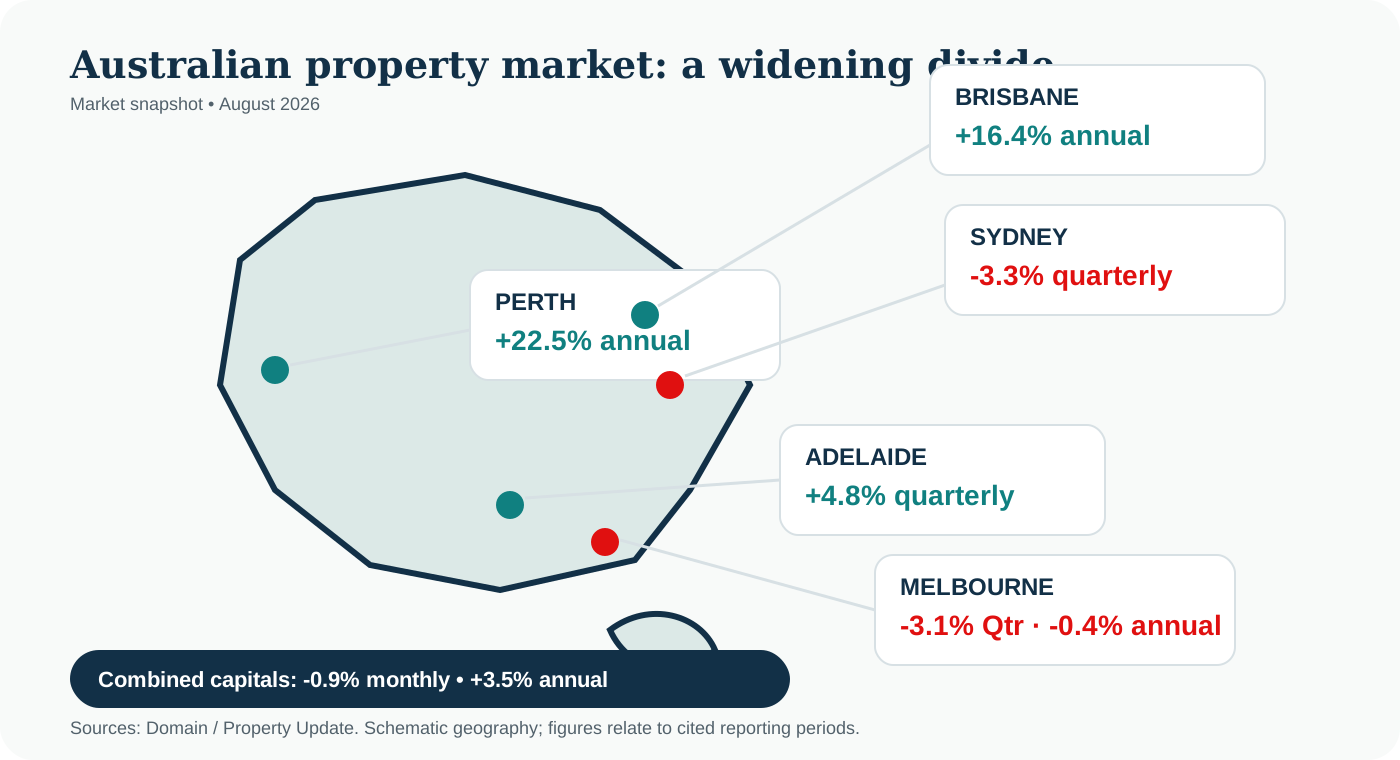
Australia’s housing market is no longer telling one national story. As at the 11 August 2026 market update, combined capital-city dwelling values were down 0.9% over the month but remained 3.5% higher than a year earlier. That headline hides a material divide: the most expensive markets are correcting while Perth, Brisbane and Adelaide have retained much stronger momentum.
Key market indicators
Sources: Domain, Property Update and the Reserve Bank of Australia.
A correction, not a nationwide collapse
The June quarter recorded the first combined-capital quarterly fall in house values in more than three years: houses were down 1.4% and units 1.2%. Sydney led the decline, with house values down 3.3% over the quarter. Melbourne houses fell 3.1% over the quarter and 0.4% over the year. A 55.1% auction clearance rate—below the 68% decade average—and a 32-day national median time on market give buyers more choice.
Why the cities are pulling apart
Adelaide house values still rose 4.8% in the quarter, while Perth recorded the strongest annual house growth at 22.5% and Brisbane at 16.4%. Combined-capital gross rental yield is 3.56% and national rents are up 5.9% annually. For an investor, past price growth is not enough: net yield after interest, vacancy, maintenance, insurance and tax is the relevant test.
A 4.35% hold means less uncertainty, not cheaper debt
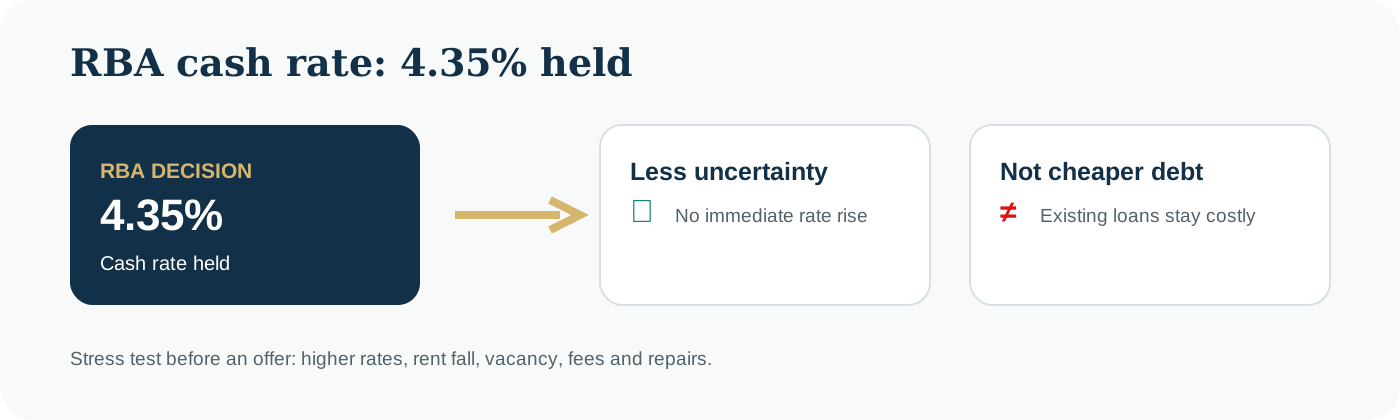
The RBA has held the cash-rate target at 4.35%. That removes the immediate uncertainty of another increase, but it does not lower the interest rate on an existing loan or the cost of a new loan. Banks continue to set their own margins and rates, while serviceability assessments still constrain the amount many households can borrow. Before making an offer, model a tougher cash-flow scenario: a higher rate, a temporary rent fall, vacancy, strata levies or unplanned repairs.
Conclusion: assess the property, not just the national headline
There is no single Australian property market. French expats should also factor in holding period, AUD/EUR exposure, tax residence and total financing cost. A sound purchase is one whose cash flow remains viable and whose property serves durable local demand even if prices pause.