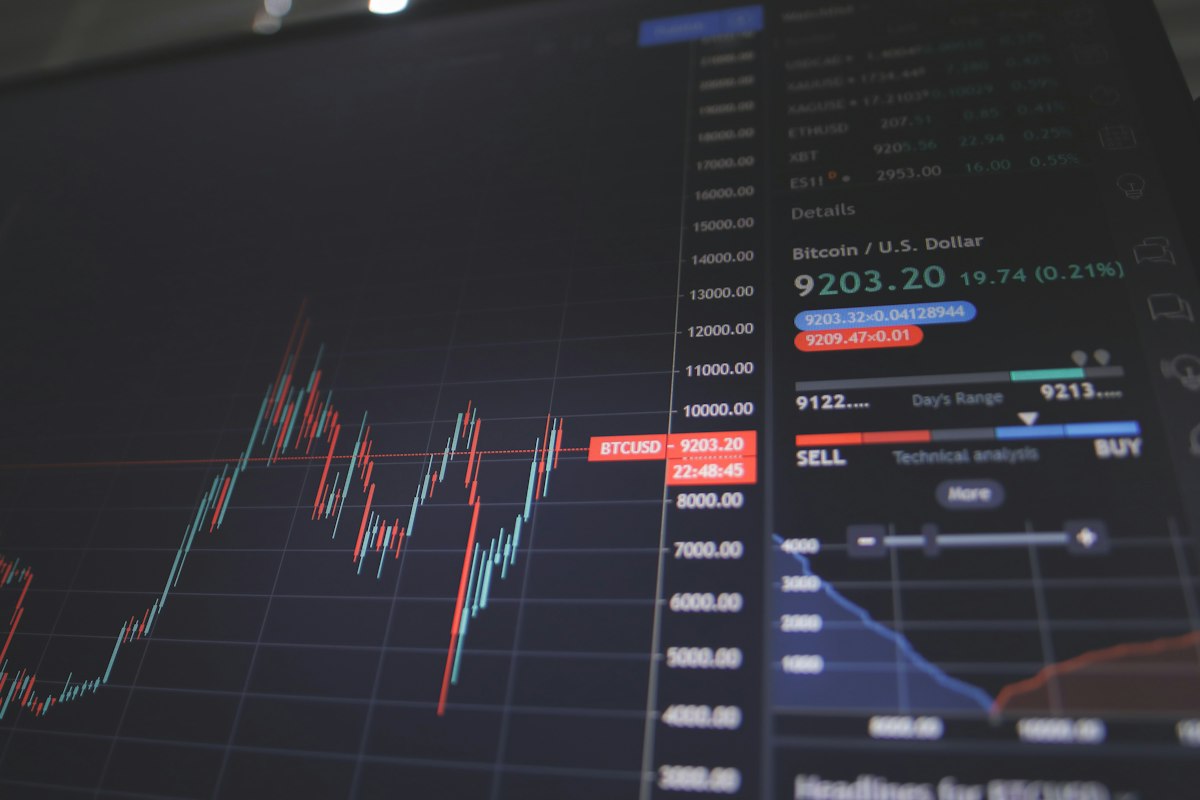
As the Australian ETF market hits a record $350 billion, we explore how to navigate the surge in thematic funds while maintaining a disciplined, low-cost core strategy.
The Australian exchange-traded fund (ETF) ecosystem has reached a historic inflection point. As of August 14, 2026, assets under management (AUM) have officially surged to a record $350 billion, reflecting a profound shift in how both retail investors and Self-Managed Super Funds (SMSFs) approach the market. This growth is not merely a result of rising asset prices but a product of an explosion in choice; the ASX recorded 72 new ETF listings in the last financial year alone, up from 50 in the prior period. While this provides unprecedented access to global markets, it also requires a higher degree of investor discernment.
The $350 Billion Milestone: Liquidity in a Maturing Market
The record $350 billion AUM figure is more than just a vanity metric; it represents a significant improvement in market depth and liquidity for the average Australian investor. Trading activity in the sector has jumped by 26% year-on-year, which is particularly critical during periods of local market volatility. For instance, the S&P/ASX 200 recently slumped to 9,115.2 points, its worst weekly performance since April 2026, driven by heavyweights like Commonwealth Bank (CBA) falling to $167.17 and selling pressure on BHP Group.
When the local index—heavily concentrated in mining and banking—stutters, the liquidity of the ETF market allows investors to quickly pivot or rebalance into international sectors. This maturity means that even smaller, more specialised funds are benefitting from tighter bid-ask spreads, making it more cost-effective to enter and exit positions than in previous years. However, the sheer volume of new products—ranging from humanoid robotics to dedicated copper mining portfolios—means that the 'menu' of options is now more complex than ever.
The Liquidity Factor
Higher AUM generally leads to higher trading volumes. For investors, this reduces the 'hidden cost' of trading, as large buy and sell orders can be processed with less impact on the fund's market price. According to ASX data, the increased participation of institutional players alongside retail investors has helped stabilise the ETF ecosystem during recent August volatility.
The Trap of 'Thematic Gambling': Sentiment vs. Substance
With 72 new listings in a single year, many fund managers are moving away from broad market trackers toward highly specific 'niche' or 'thematic' ETFs. While themes like space technology and AI-driven robotics capture the imagination, they often carry a different risk profile than traditional index funds. Analysts frequently refer to the risk of 'thematic gambling,' where investors chase recent performance in a specific sector, only to buy in at the peak of a hype cycle.
Thematic ETFs often suffer from high concentration and higher volatility. While the broader ASX 200 may be weighed down by iron ore prices, a robotics ETF might be entirely dependent on the performance of a handful of semiconductor companies. Relying on these as core holdings can expose a portfolio to significant drawdowns. For a balanced portfolio, these niche exposures are generally viewed as speculative satellites rather than the structural foundation of a long-term wealth strategy.
- Thematic funds typically have higher turnover, which can lead to larger capital gains tax (CGT) events for investors.
- Concentration risk: Many niche ETFs hold fewer than 30 stocks, significantly less than the 200 in the ASX 200 or 1,500+ in a global index fund.
- Performance chasing: History shows that thematic funds often launch after a sector has already experienced its primary growth phase.
Cost Compression: The Benefit of Increased Competition
One of the most positive outcomes of the $350 billion milestone is the intense competition it has fostered among fund managers. As international giants like JPMorgan and Avantis Investors expand their presence in Australia, the pressure on Management Expense Ratios (MER) continues to mount. This 'race to the bottom' on fees is a major win for Australian investors, as lower fees translate directly into higher compound returns over time.
For example, JPMorgan's income-focused ETFs, such as the Nasdaq Equity Premium Income ETF (JPEQ), continue to provide regular cash distributions (recently 74.58 cents per unit), offering an active management component at a price point that was historically reserved for passive funds. The entry of players like Avantis into the local equity space further suggests that even 'active' strategies are becoming more accessible and cheaper, providing sophisticated alternatives to the standard market-cap-weighted models that dominate many portfolios.
Understanding MER
The Management Expense Ratio represents the annual fee charged by the fund manager to cover operating costs. In the current competitive climate, core Australian equity ETFs can be found for as little as 0.04% to 0.10% per annum, while thematic funds typically charge between 0.40% and 0.80%. Minimising these costs in the 'core' of a portfolio is essential for long-term growth.
The Core-Satellite Framework: Integrating Innovation
To benefit from global trends without compromising long-term stability, many investors utilise a 'Core-Satellite' framework. This strategy involves allocating the vast majority of assets (the core) to low-cost, broad-market index funds that track the ASX 200, S&P 500, or MSCI World Index. This core provides the diversification and stability required to weather periods of volatility like the recent mining-driven slump on the local bourse.
The 'satellites' are smaller allocations to niche or actively managed ETFs. This allows for exposure to high-growth areas like humanoid robotics or niche mining without risking the entire portfolio's performance. By capping these speculative holdings—often at no more than 5% to 10% of total assets—investors can participate in innovation while their primary wealth remains anchored in the broader economy. This disciplined approach aligns with general principles of diversification often highlighted by regulatory bodies like ASIC through their Moneysmart resources, focusing on risk mitigation through asset variety.
In summary, the expansion of the Australian ETF market to $350 billion offers a wealth of opportunity for those who maintain a disciplined approach. While the allure of record listings and futuristic themes is strong, the foundation of successful long-term investing remains rooted in low costs, broad diversification, and a clear distinction between core wealth preservation and satellite speculation.
Start Investing in ETFs
Low-cost brokerage platforms make it easy to invest in ASX and global ETFs.
Explore Pearler →Are you a French expat in Australia?
Discover our cross-border wealth management resources — SCPI, assurance-vie, France-Australia tax strategy, and more.
Explore our French resources →This article contains general educational information only and does not constitute personal financial, legal, or tax advice. Please consult a licensed professional before making any financial decisions.